Monthly Archives: February 2015

Sock Covers

By | February 14, 2015

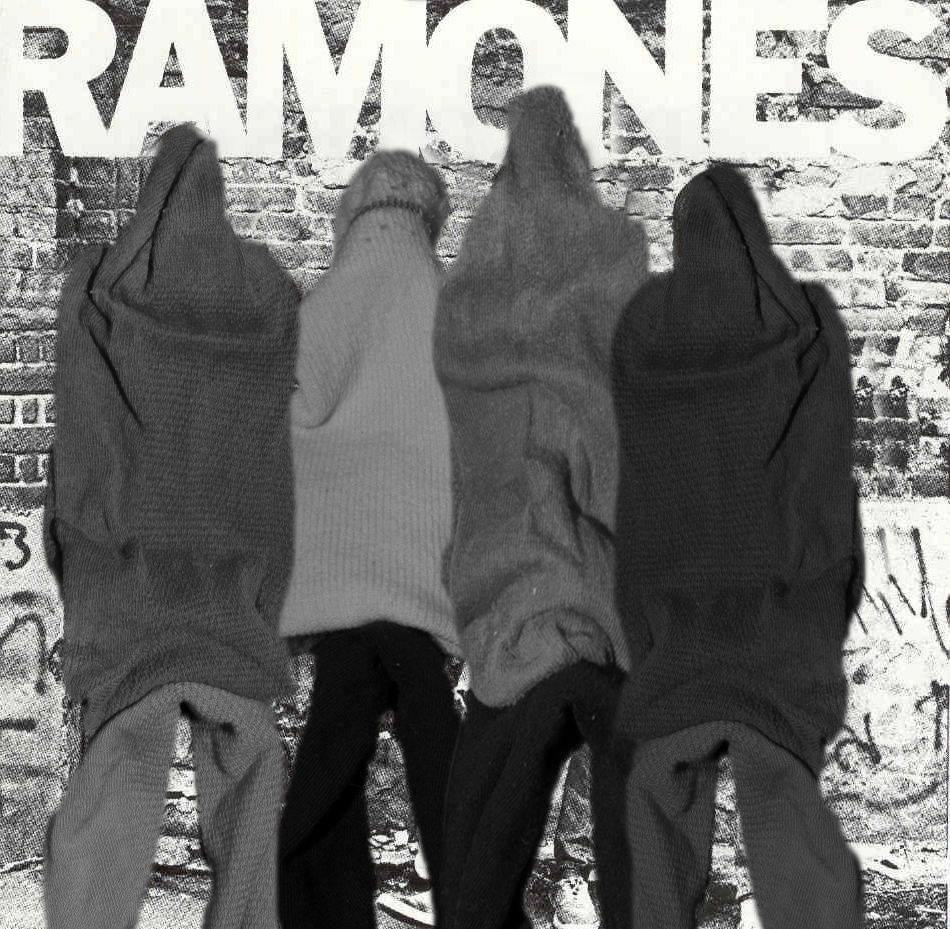
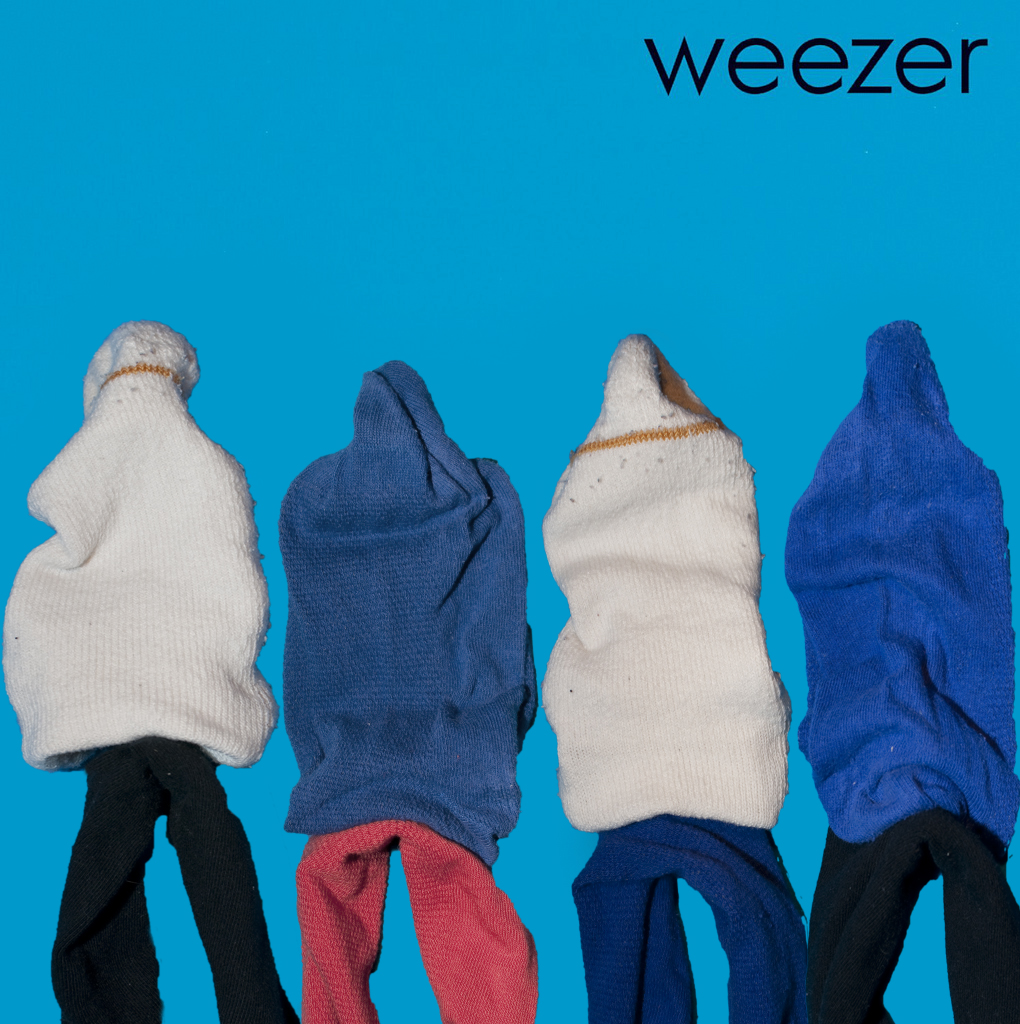
Going back to our article from the other day about creative uses for old socks it seems like we missed one, use them to recreate famous album covers. Duh. How obvious an answer is that?

All joking aside, we think this is awesome. Thom Moore over at Socks Covers takes classic album covers and recreates their art using socks. I never in a million years would have thought to get this creative with my usage of socks. I’d really like to see if anyone can top this one. Here are a couple of our favorites from the Sock4Life offices. Yes it becomes very obvious that everyone in this office is between the ages of 25 and 35. If you can come up with any original artwork involving socks, show them to us in the comments below.

rageagainstthemachine

ramones1

weezer

blackkeys
pinkfloyd1

Most Expensive Socks

By | February 13, 2015

Here at Socks4Life, we work hard to bring you the best selection of dress, athletic, and casual socks at the most affordable prices. For most people we feel that’s a pretty solid goal, high quality socks that people can afford. What if we decided one day to only sell the highest socks? What would our store look like? Other than being much, much smaller, I imagine it’d look something like these.

zimmerli

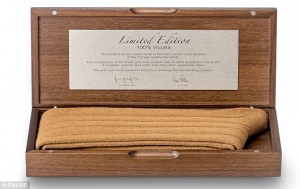
The most affordable of our Ferrari priced line up of high end hosiery is the Zimmerli 100% Cashmere Over-the-Calf Dress Sock. Even though it has the longest name of all these socks, it might have the shortest lifespan. According to Zimmerli, after about the sixth or seventh wash these socks start to fall apart. So 200 dollars buys you a lot of comfort, but not a lot of resiliency.

vicuna

Next up on tour of hypothetical decadence is the nearly twelve hundred dollar ode to ‘Because we can’ from Falke of Germany. These socks that retail for $1,188 a pair are made from an exceedingly rare and fabric called Vicuna. Vicuna fabric is, shockingly enough, made from the down hair of the Peruvian Vicuna. Vicuna fabric retails for about the same price as gold by weight, which makes sense when you realize that the Vicuna is an endangered species that only produces one pound of wool.

Cervelt-Socks-02

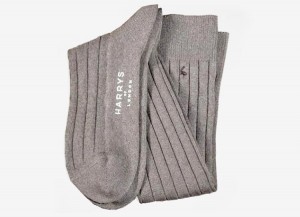
If you were ever wondering whether or not you’d moved on from ‘Why yes, I will supersize that’ rich to ‘I should become a supervillian’ rich these socks should be able to help you realize it. The Cervelt socks from Harry’s of London, cost 1500 dollars. The high cost of the fabric comes from the fact that Cervelt is made from the fur of one type of red deer that is only found on New Zealand.

NFL: NFC Championship-San Francisco 49ers at Atlanta Falcons

And to round out the top end of our record setting sock store catalog we have a pair of socks that cost $10,500. Admittedly these socks have already been worn once, but it was only once and in the NFC Championship Game in 2013. If you haven’t already guessed yet, these are the socks that Frank Gore wore ‘too low’ according to the NFL. While these socks aren’t actually for sale, it’s the start of the off season and taking potshots at the No Fun League is always a good time.

Kevlar Socks

By | February 12, 2015

Kevlar socks

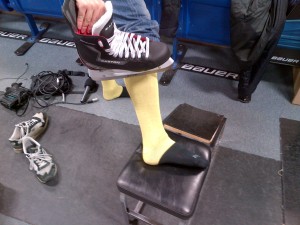
Here at Socks4Life we sell a wide variety of socks. We have dress socks, athletic socks, socks designed to help people diabetes maintain adequate blood flow, but we don’t have what I think are one of the coolest kind of socks. Kevlar. That’s right, bullet proof socks. Alright, maybe not bullet-proof, but cut proof at least. In one of those rare moments where a bunch of elements of my life come together(hockey, writing, socks) I’m going to delve into the science of the kevlar sock.

Kevlar socks first started showing up towards the end of my days of playing with any kind of real competitiveness and to a 16 year old they seemed like the most unnecessary and awesome thing to ever be knit. And I couldn’t wait to get a pair. To anyone not familiar with the sport of ice hockey, it’s a game played on a pair skates that sit on top of two eleven blades sharpened to cut into and glide on the ice. Naturally when you strap two ginsu knives to the bottom of your feet and play a full contact sport, sometimes things go wrong and instead of a blade hitting ice, you have a blade hitting a person. Hence the quest for a fabric that could stop a skate blade, but still allowed players to move enough to play the game.

The creation of a kevlar sock starts off with the fabrication of the kevlar fibers that give the composite fabric its strength. Kevlar is a polymer, meaning that it’s made up of long chains of a repeated chemical molecule, and unlike most other polymer’s the chemical structure of kevlar is unusually regular. The chemical chains in kevlar are long and straight enough that the chemical bonds it forms are like a reinforced scaffolding, almost crystalline if any of that high school chemistry is still rattling around. Once the kevlar is chemically formed it is forced through a spinneret and turned into a fiber that is woven into other fabrics to give them varying degrees of ballistic integrity, cutting integrity, and flame resistance. Some fabrics focus on the first point and become bullet proof vests and glass and are referred to as Kevlar 29, others focus on the cutting aspect and are called Kevlar 49. This fabric is then sewn into an otherwise normal looking sock shape and sent out into the ice rinks of the world to protect players’ tendons, veins, and hamstrings from the wayward skate blade.


Keeping Feet Healthy In Winter

By | February 11, 2015

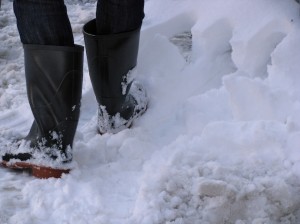
snow_boots

While some of us have the fortune of living in places where winter cold means it might dip below freezing for a few hours at worst, lots of us are in places having coldest and snowiest winters on record. Those of us in living in tundra like conditions might be staying on top of things like plenty of vitamin C and chicken noodle soup to stay healthy, but they might be forgetting about how important it is to keep track of the health of our feet. This especially true for anyone reading this with diabetes. So here are some quick tips to keep every part of you in top condition.

Our first tip is probably the simplest of the bunch, look at your feet everyday. Just stop and check your feet for anything out of the ordinary. Look for any cracks in the skins, discoloration of the skin, calluses or anything out of the ordinary. Take a second and look at your socks too, if they have any stains do a thorough examination of your feet.

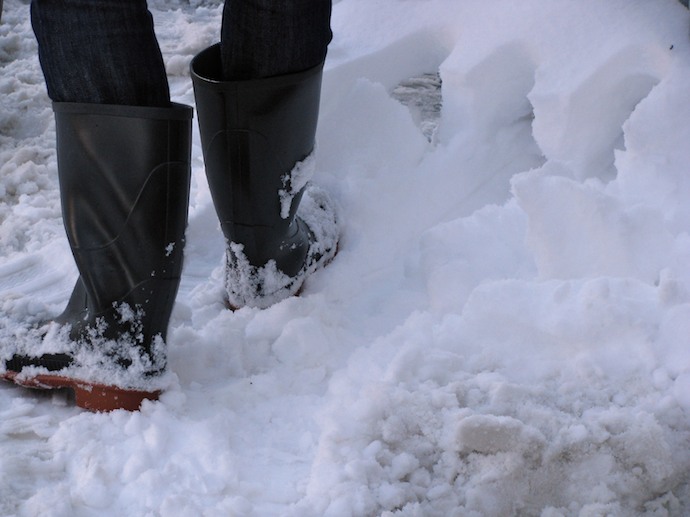
Wear the right shoes. Cold and wet shoes along with decreased circulation increases your chances of developing ulcers on your feet. Make sure to wear warm, water(and slush) proof shoes that give your feet plenty of room. And don’t forget about socks either, they’re just as involved in the foot-shoe relationship as anything else. Wool socks do a good job keeping feet warm and dry.

We touched on this a second ago, but keep those feet dry. Moisture in the enclosed, damp space of your shoes is the perfect breeding ground for bacteria that can cause foot odor on the harmless side of things and infections on the nastier side of things. If you end up with wet socks, change of them as soon as possible and let them dry thoroughly before putting them back on.

Keep your feet moisturized. We mentioned earlier to inspect your feet for cracks and calluses and one way to help prevent that is to moisturize your feet. If you haven’t noticed yet there’s a pattern when it comes to foot care, making sure to avoid the extremes. Not too dry, not too wet, not too cold, not too hot.

Speaking of not too hot, don’t burn your feet. With the use of electric blankets, heating pads, and hot baths for people with diabetic nerve damage to not feel when something is too hot. A burn on your foot can turn into a much bigger problem down the road if not caught early.

 

Recycling Old Socks

By | February 10, 2015

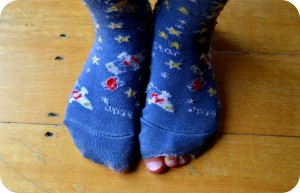
poor-socks

Sometimes it’s easy to stick with something too long, even if you really love it. Bad relationships, living like you’re still in college, an extra comfy pair of socks. While there’s not a whole lot of advice that we can give about those first, we can give you some ideas of what to do with those socks that have gotten you through many a long and cold winter and at this point maybe too many.

Donate them.  Maybe you don’t have weird overly developed attachments to your socks. Maybe you just have a bunch of old socks and want to get rid of them. In that case you can simply donate them. Homeless shelters always appreciate donations of socks that are still in usable condition.

Start using them for around the house projects. The simplest use for the past its prime sock is to turn it into a dust rag. You can attach to the end of a stick and have a good laugh at everyone else and their reliance on Swiffer while you clean the tops of bookshelves with self reliant ease. Dropped the back of an earring or a screw? Put a sock over the end of the hose attachment for your vacuum and simply suck them up. Use them to fill in open spaces in drafty windows and doors. There are a ton of household uses for old socks, if you just get a little creative with it.

There are just as many uses for them outdoors as well. You can make all sorts of balls and hacky sacks out of them. Take a long sock and cut it at about the halfway mark or a short sock at about three-quarters, fill it full of beans or rice(typically beans for something like a hacky sack or a cornhole bag), and sew it shut. In winter when the temperatures start dropping below freezing you can wrap a sock around an outdoor spigot to help insulate it and keep it from bursting. If you’re the earthy, gardening type 100% cotton socks are compostable and will turn into good fertilizer. Just make sure to watch out for any nylon in them, otherwise you’ll be slowly picking out nylon threads until you start a new compost pile.